SW4 garden waste collection costs and quick rubbish removal
Posted on 02/07/2026
SW4 Garden Waste Collection Costs and Quick Rubbish Removal: A Practical Guide for Faster, Smarter Clearance
If your garden in SW4 has got out of hand after a weekend of pruning, clearing, or a full seasonal tidy-up, you are probably asking two things at once: what will it cost? and how quickly can it all be gone? That is exactly what this guide covers. We look at SW4 garden waste collection costs and quick rubbish removal in a clear, practical way, so you can judge whether you need a small one-off uplift, a same-day clearance, or a fuller waste removal service. No fluff. Just the kind of detail that helps you make a decision without faffing about.
Garden waste looks innocent enough in a pile. Then the bags multiply, the branches get awkward, and suddenly the patio is half blocked and the bin day feels miles away. If that sounds familiar, you are in the right place. Below, you will find how local collection usually works, what affects price, where the value is, and the common mistakes that make simple jobs more expensive than they need to be.
Why SW4 Garden Waste Collection Costs and Quick Rubbish Removal Matters
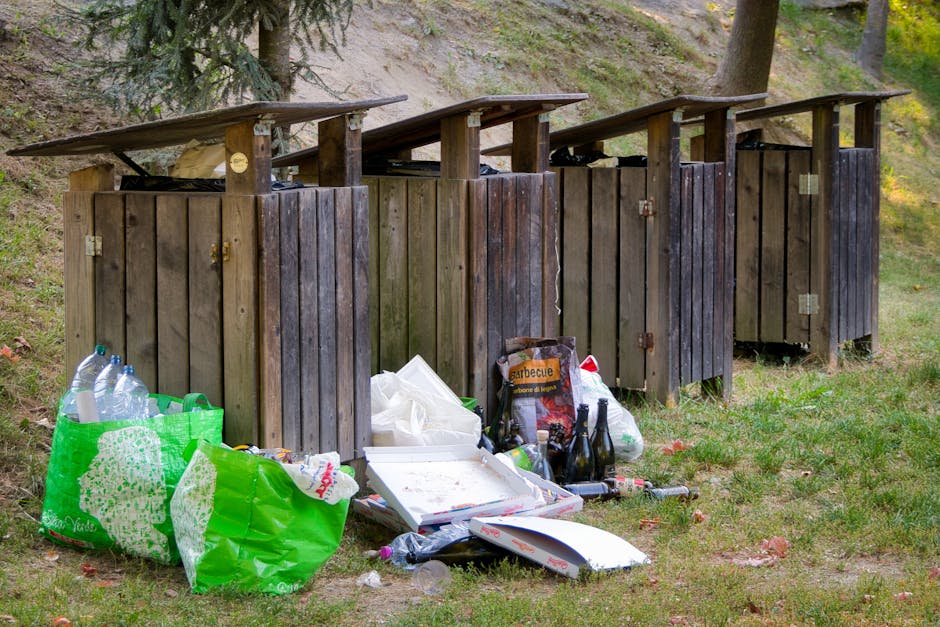
Garden waste is one of those jobs that seems simple until it is not. In SW4, where many homes have limited front access, shared entrances, or awkward side passages, the practicalities matter just as much as the price. If you leave cuttings, soil, turf, or broken planters sitting around for too long, they quickly become messy, smelly, and a bit of an eyesore. And if you are in a terrace or flat with neighbours nearby, that mess is not just your problem anymore.
Cost matters because small garden jobs can be handled in several different ways: council collection, a private uplift, a man-and-van style clearance, or a more comprehensive waste removal visit. Quick rubbish removal matters because timing can be everything. Maybe you have a house viewing on Saturday. Maybe the garden is being photographed for a sale, or you simply want the space usable again before the weekend rain rolls in. Let's face it, no one wants a neat lawn surrounded by three black bags and a heap of hedge clippings.
There is also a bigger value question underneath all this. A tidy garden supports the rest of the property. If you are preparing a rental, selling a home, or just trying to keep on top of maintenance, efficient removal can save you time, hassle, and a second round of effort. That is where services like garden waste removal in Clapham and broader rubbish clearance support can be genuinely useful.
How SW4 Garden Waste Collection Costs and Quick Rubbish Removal Works
Most garden waste collection jobs follow a fairly predictable pattern. You describe the waste, the collection team estimates the load, and the price is based on how much material there is, how easy it is to load, and whether anything needs special handling. The quicker the collection, the more likely it is that the service is arranged as a scheduled slot or same-day visit, which can affect the overall cost. Simple enough, but the detail is where people either save money or overpay.
In practical terms, the price usually reflects a combination of:
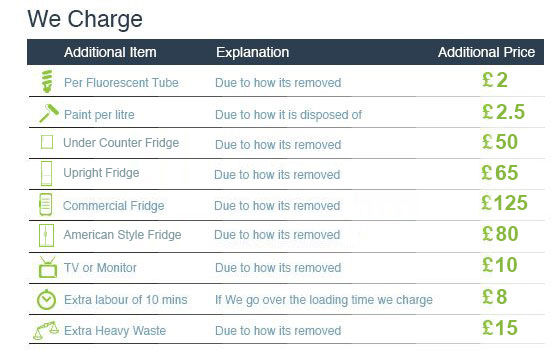
- Volume - how much waste there is, usually measured by load size rather than by individual bag count.
- Type of waste - grass cuttings are easy; mixed garden debris, timber, rubble, or soil can change the job.
- Access - if the team has to carry waste through a narrow hallway, down basement steps, or from the rear garden, the labour element rises.
- Urgency - quick or same-day rubbish removal can cost more than a flexible booking.
- Sorting requirements - green waste that is separated properly is usually simpler than mixed waste that needs sorting on site.
People often ask whether a quick collection means the job is rushed. Not necessarily. The good operators move quickly because they arrive prepared, know what can be loaded first, and do not waste time dithering over the obvious bits. The best outcome is a tidy garden and a clean sweep, not a pile-up of half-filled bags and loose twigs left by the gate. That sounds obvious, but you would be surprised.
If the job is part of a bigger declutter, it may make sense to pair it with junk removal, rubbish collection, or even waste removal, depending on what else is being cleared. That can sometimes be more efficient than arranging several separate visits.
Key Benefits and Practical Advantages
The main benefit of quick garden waste removal is obvious: your space is clear faster. But the practical upside goes beyond speed. In SW4, where outdoor space is often at a premium, clearing the waste properly means you actually get to use the garden again rather than just looking at a half-finished job from the kitchen window.
Here are the benefits that matter most in real life:
- Better presentation if you are selling, letting, or simply keeping the home looking cared for.
- Less stress because one collection can replace several trips to a local recycling point or repeated bin-day juggling.
- Safer access with fewer trip hazards, fewer sharp branches, and less loose material in walkways.
- Faster progress on other jobs, such as laying turf, painting fences, or installing planters.
- Cleaner separation of green waste and mixed rubbish, which is helpful for recycling and disposal planning.
There is also a quieter benefit that people sometimes overlook: momentum. Once the clutter is gone, the rest of the garden suddenly feels manageable. You can stand there on a grey morning with a mug of tea and actually imagine what the space could be. Bit of a small victory, but a real one.
For homeowners comparing wider property upkeep options, the same logic applies across other clearances too. If you are dealing with bulky items indoors, house clearance or loft clearance may be more appropriate, while contractors handling renovation leftovers often look at builders waste clearance.
Who This Is For and When It Makes Sense
This kind of service is not just for people with huge gardens. In SW4, some of the most common jobs are actually fairly modest: a few bags of hedge trimmings, several branches after a storm, a patch of old turf, or a mixed load of garden waste and broken outdoor items. If you have ever tried stuffing a shrub into a standard bin and realised it simply will not happen, you already know why this exists.
It makes sense for:
- Homeowners doing seasonal tidy-ups or pre-sale garden improvements.
- Landlords who need outdoor areas cleared between tenancies.
- Tenants who are moving out and want to leave the space presentable.
- Busy families who do not have time for repeated disposal trips.
- Gardeners and landscapers needing reliable post-job waste collection.
- People with limited access where a skip would be awkward or overkill.
It may also be the better choice if your waste is mixed. For example, a garden clear-out often includes plant pots, broken furniture, old fencing, plastic edging, and the odd mystery item from the shed. That mix can make DIY disposal feel more complicated than the actual garden work. In those cases, combining garden clearance with broader rubbish clearance in Clapham is often the more sensible route.
And if you are moving property in the area, you may already be thinking in practical, not emotional, terms. A neat outdoor space can support a faster sale or smoother handover, which is why many people reading about purchasing homes in Clapham also end up asking about clear-outs. It all connects.
Step-by-Step Guidance
If you want the process to be quick and cost-effective, a little preparation goes a long way. Here is the simplest way to handle it without making more work for yourself.
- Separate green waste from mixed rubbish. Keep grass cuttings, leaves, hedge trimmings, and branches together if possible. Mixed loads are slower to sort and can cost more.
- Remove obvious non-garden items. Old plant pots, broken tools, bags of soil, and damaged outdoor furniture should be identified early so the team knows what they are dealing with.
- Estimate the load honestly. A quick photo from a few angles is often enough to give a realistic idea of the amount. Underestimating is one of the easiest ways to frustrate a booking.
- Check access. Make sure gates are unlocked, pathways are clear, and any shared access arrangements are sorted before the crew arrives.
- Ask about timing. If you need same-day rubbish removal or a narrow collection window, say so early. Urgency affects scheduling, and sometimes cost.
- Confirm what happens to the waste. Green waste may be handled differently from mixed rubbish, so ask how the load will be processed.
- Keep the area ready. If branches are already stacked and bags are tied, the job is usually faster. Simple, but very effective.
For people who like a mental shortcut: prepare the waste as if you are making it easy for someone to lift it and move it once. Because that is exactly what you want. The less sorting and shuffling done on site, the better.
If your project is more of a full outdoor reset, it can help to read about the wider service options before booking, especially if you are weighing garden waste against general waste or bulky item disposal.
Expert Tips for Better Results
Here is where a bit of experience saves money. The fastest, cheapest job is usually the one that is prepared properly. Not glamorous, I know. But true.
- Book after you have finished cutting and pruning. People sometimes book too early, then keep adding more waste. That turns a simple load into a moving target.
- Compact where safe to do so. Lightweight cuttings can often be bagged neatly, which makes loading much faster.
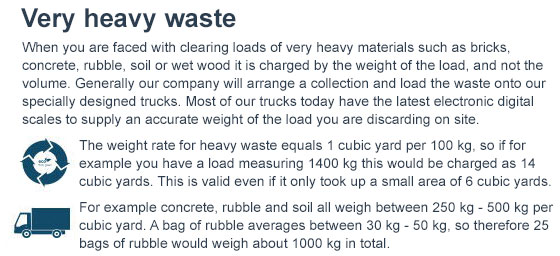
- Keep soil separate. Soil is heavy. A small amount can change how the whole job is priced, so be upfront.
- Use one staging area. If all the waste is gathered in one place, crews can work far quicker than if they have to search around the property.
- Schedule before bad weather. A damp pile of green waste is heavier and less pleasant to handle. A dry Thursday morning can be a lot easier than a soggy Sunday afternoon.
- Think in total value, not just headline cost. A slightly higher fee for a fast, tidy service can be cheaper than hiring tools, taking time off, and making multiple disposal trips.
Another useful point: if you are also discarding old outdoor furniture, damaged shed contents, or domestic clutter that has wandered into the garden, ask whether furniture disposal can be included. One visit is usually better than three. Fewer moving parts. Fewer headaches.
And here is the little human bit: if the garden has become a source of low-level guilt every time you open the back door, you are not alone. That feeling is remarkably common, and a proper clear-out often fixes more than the mess itself.

Common Mistakes to Avoid
Most garden collection problems are preventable. The same mistakes show up again and again, and they usually make the job slower or pricier than expected.
- Mixing everything together. Green waste, rubble, household rubbish, and broken furniture all in one pile can complicate sorting and disposal.
- Forgetting about access. A locked side gate or blocked path can slow the whole job down. Easy to avoid, easy to miss.
- Assuming all garden waste is equal. Cuttings are one thing. Soil, timber, and mixed debris are another.
- Ignoring timing pressure. If you need the garden cleared before an event, a move, or a property photo session, do not leave the booking too late.
- Choosing a service only on price. Cheapest is not always best, especially if the provider cannot deal with the full load efficiently.
- Forgetting about neighbours or shared spaces. In SW4, access can be tight. A bit of planning keeps everyone happier.
One sneaky issue is overfilling bags with heavy material. It feels efficient in the moment, but it can actually make collection harder. Better to keep loads manageable and neat. No heroics needed.
Tools, Resources and Recommendations
You do not need a warehouse full of equipment to prepare garden waste properly. A few basic tools and habits can make the whole job smoother and faster.
- Heavy-duty garden bags for cuttings and leaves.
- Rakes and brooms to gather loose debris into one area.
- Secateurs or loppers to trim awkward branches into manageable sizes.
- Wheelbarrow or tub for moving waste to a single pickup point.
- Tarpaulin or sheet to keep the work area tidy and reduce scattered debris.
For recommendations, the smartest approach is usually this: keep green waste as separate as possible, keep access clear, and book a collection window that matches the end of the job rather than the start. If you need a broader service mix, a team that also handles recycling and sustainability can be a better fit for loads that include more than just foliage.
If you are comparing options, it may also help to look at pricing and quotes so you understand how estimates are typically structured before you commit. Not every job is priced the same, and honestly, that is fair enough.
Law, Compliance, Standards, or Best Practice
For garden waste, the key issue is not just what goes, but where it goes and how it is handled. In the UK, waste should be managed responsibly, and reputable operators should be able to explain how they deal with different material types. You do not need to become a waste law expert. Thankfully. But it does help to know the basics.
Good practice usually means:
- Separating recyclable green waste where possible.
- Avoiding contamination by keeping general rubbish out of garden waste loads.
- Using an insured, responsible provider that can handle waste correctly.
- Being careful with hazardous or restricted items that should not be mixed into ordinary garden clearance.
For safety and peace of mind, it is sensible to check that the service is transparent about handling, access, and liability. Pages like insurance and safety and payment and security are useful signals that the provider takes these things seriously. That matters more than people think.
Best practice also includes being realistic about what a garden waste collection can and cannot do. If you have substantial quantities of soil, heavy rubble, or construction debris hiding in the mix, say so. Do not tuck it into the back of the pile and hope for the best. The best jobs are the honest ones.
Options, Methods, or Comparison Table
There is no single right answer for every SW4 garden clear-up. The best method depends on volume, speed, access, and how much effort you want to put in yourself. Here is a straightforward comparison.
| Option | Best for | Speed | Typical convenience | Things to watch |
|---|---|---|---|---|
| Council-style disposal | Small, simple loads | Usually slower | Low to moderate | Limited flexibility and timing |
| Skip hire | Larger projects with predictable waste | Moderate | Good if you have space | Needs room, may be awkward in tight SW4 streets |
| Man-and-van collection | Fast clear-outs and mixed loads | Fast | Very high | Price depends heavily on load size and access |
| Self-haul | People with time, transport, and lifting capacity | Variable | Low | Time, fuel, effort, and repeat trips |
For many SW4 homes, quick collection by a removal team is the most practical route because it avoids parking headaches and reduces disruption. In a compact London street, that can make all the difference. If you are comparing similar services, skip hire can still be the right choice for larger, slower projects, but it is not automatically the best option for every garden.
Case Study or Real-World Example
Picture a fairly ordinary SW4 back garden after a spring tidy-up. Nothing dramatic. A couple of bags of hedge trimmings, some ivy cut back from a fence, one old broken planter, and a patch of lawn clippings that looked harmless until they were all stacked together. The homeowner thought it would fit into a few bin bags and be dealt with over a few weeks. That plan lasted about ten minutes.
Instead, they sorted the material into two groups: green waste and mixed rubbish. The access gate was cleared, the bags were moved to one corner near the side return, and the provider was told exactly what was there. That small bit of preparation meant the collection was fast, predictable, and much less stressful. The garden was usable again the same day, which was really the whole point.
Expert summary: the easiest way to keep SW4 garden waste collection costs sensible is to separate the load, be honest about volume, and remove access barriers before the team arrives. Speed comes from preparation, not luck.
That sort of job is common in areas where homes are close together and outdoor space is precious. If a garden is being cleared alongside a move or a broader tidy-up, some people also review garage clearance or office clearance where relevant. Not always needed, but worth considering if the clutter has spread.
Practical Checklist
Before you book, run through this quick checklist. It keeps the job simple and usually saves at least a little time.
- Have you separated green waste from mixed rubbish?
- Do you know whether there is soil, rubble, or timber in the load?
- Is there clear access from the garden to the pickup point?
- Have you removed anything you want to keep?
- Do you need same-day or next-day rubbish removal?
- Have you checked whether the waste will need special handling?
- Are any gates, keys, or parking arrangements ready?
- Have you confirmed the collection window and payment method?
If you can tick most of those off, you are in good shape. If not, sort the easy bits first. It really does pay off.
Conclusion
SW4 garden waste collection costs and quick rubbish removal are easier to understand once you break them into the real-world pieces: load size, waste type, access, and urgency. For many local households, the best value is not the cheapest-looking option on paper, but the one that clears the space properly, quickly, and without dragging the job into a second day.
When you plan the waste well, keep the load honest, and choose the right collection method, you usually get a cleaner garden, a smoother experience, and fewer surprises. That is the kind of win that feels small until you actually have it. Then it feels huge.
Get a free quote today and see how much you can save.
And if your garden is the first thing you want to reclaim this week, that is a perfectly good place to start.



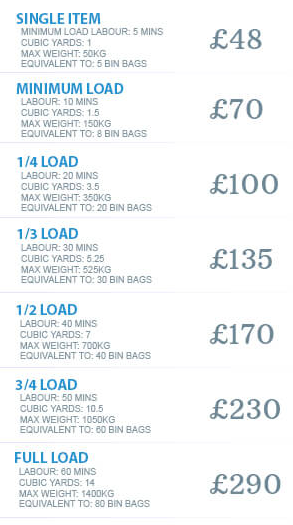
 Tipper Van - Rubbish Removal and Garden Waste Disposal Prices in Clapham, SW4
 Luton Van - Rubbish Removal and Garden Waste Disposal Prices in Clapham, SW4