Clapham Common rubbish removal guide for flats and houses
Posted on 20/06/2026

If you live near Clapham Common, rubbish removal can feel oddly simple on paper and then mildly chaotic in real life. One week it is a single broken chair in a top-floor flat; the next it is a full house clear-out after a move, a renovation, or a long-overdue declutter. This Clapham Common rubbish removal guide for flats and houses breaks down what actually works, what to avoid, and how to make the job quicker, safer, and less stressful. You will also find practical advice for narrow hallways, shared entrances, tricky parking, and the kind of bulky waste that always seems bigger once you start moving it.
Whether you are clearing a compact flat, a Victorian terrace, or a rental with shared access, the goal is the same: remove waste properly, avoid neighbour headaches, and get your space back without turning the day into a saga.
Why Clapham Common rubbish removal guide for flats and houses Matters
Clapham Common is a busy, lived-in part of London, and that matters more than people sometimes expect. Flats often have tight stairwells, limited lift access, small bin stores, and neighbours who notice everything. Houses can come with front-garden pile-ups, awkward side returns, or the classic "where did all this stuff come from?" problem after years of storage. Waste removal in this area is not just about tidiness; it is about access, timing, courtesy, and getting the right disposal method for the type of waste.
For a flat, the challenge is usually logistics. Can the items be carried down safely? Is there a lift? Will the job disturb the corridor or shared entrance? For houses, the issue is often scale. You might be clearing furniture, old appliances, garden waste, loft clutter, or mixed rubbish after works. That is where a proper plan saves time and, frankly, saves your back.
There is also a practical neighbourhood point. Around busy local streets, waste left out too long can attract complaints, block pathways, or create hazards. So a good removal plan is not just neat. It is respectful. That sounds simple, but in real life it makes a big difference.
If you want a broader look at the kind of services that support this sort of job, the services overview is a useful starting point, especially when you are not quite sure whether you need a one-off collection, bulky item removal, or a full clearance.
How Clapham Common rubbish removal guide for flats and houses Works
Most rubbish removal jobs follow a fairly similar pattern, but the details change depending on the property type. The process usually starts with identifying what needs to go. Mixed waste, bulky furniture, garden cuttings, renovation debris, and general junk all need different handling. In practice, the clearer you are at the beginning, the smoother the rest of the day becomes.
For flats, access is usually the first thing to confirm. You may need to think about stair width, lift size, concierge rules, building restrictions, and the best time to avoid interrupting neighbours. In some cases, items need to be dismantled before collection. A wardrobe that looked manageable in the bedroom can suddenly become a very different beast halfway down the stairs. Truth be told, it happens all the time.
For houses, the key issues are volume and sorting. Households often accumulate a mix of items over years: old mattresses, broken shelving, garden bags, boxes of unused bits, and one suspiciously heavy drawer unit that everyone hoped someone else would deal with. A good removal plan separates reusable items, recyclable materials, and general waste before the load-up starts.
If you are comparing approaches, it helps to know whether you need rubbish clearance in Clapham, a full house clearance service, or a smaller rubbish collection for a few items. That distinction matters because the right method can save both time and money.
In many cases, the simplest workflow looks like this: assess access, list items, check what can be recycled, agree on collection time, and remove everything in one visit. Simple on paper. Much better with a plan.
Key Benefits and Practical Advantages
The best rubbish removal is the kind you barely have to think about once it is booked. For local flats and houses around Clapham Common, the real value is not just speed. It is convenience, safety, and avoiding those half-finished weekends where waste sits in the hallway and everyone keeps stepping around it.
- Less physical strain: Heavy lifting is the main reason people regret "we can do it ourselves" by the third trip downstairs.
- Better access management: A professional approach is easier to coordinate in buildings with shared spaces, narrow stairs, or parking constraints.
- Cleaner disposal habits: Sorting waste properly gives recyclable and reusable items a better chance of being handled responsibly.
- Faster results: One scheduled visit usually beats several small trips to the tip or endless waiting for bin day.
- Reduced neighbour friction: A tidy, time-bounded removal is far less disruptive than leaving items in communal areas.
There is another benefit that people underestimate: mental relief. Clearing rubbish, even a small amount, often changes how a room feels. A spare bedroom becomes usable again. A hallway stops feeling like a bottleneck. A flat can suddenly breathe. That is not dramatic, it is just true.
Expert summary: For Clapham Common properties, the best rubbish removal plan is usually the one that matches the property layout, waste type, and timing constraints rather than the one that simply looks cheapest on the day.
If sustainability matters to you, it is worth reading the site's recycling and sustainability approach before you book. Even a short checklist of what should be reused, donated, or recycled can improve the outcome of a clearance.
Who This Is For and When It Makes Sense
This guide is useful for a wide mix of Clapham Common residents. The needs change, but the core problem is often the same: there is too much stuff in the wrong place and it needs to go without causing a mess.
Flat owners and tenants
If you live in a flat, rubbish removal usually makes sense when items are too bulky for normal bins, too awkward for a personal car, or too numerous for a simple DIY drop-off. Think old mattresses, broken furniture, cupboards, bagged clutter, or the remains of a big clear-out before moving out.
Householders
For houses, the trigger is often a bigger life event. A refurb. A move. A seasonal garden blitz. A loft that has become a museum of forgotten boxes. Houses near Clapham Common often have enough space to accumulate more than you realise. You notice it all at once, usually when you need the room for something else.
Landlords and letting agents
End-of-tenancy clearances can be time-sensitive, especially if a property needs to be turned around quickly. Lingering rubbish delays cleaning, maintenance, and re-letting. It also makes inspections awkward. Nobody enjoys opening a cupboard and finding three mystery lamps and a broken ironing board.
Home movers and renovators
If you are replacing furniture, stripping out a room, or dealing with builders' mess, rubbish removal prevents the buildup from taking over the property. For more specialised jobs after works, the builders waste clearance service can be the more appropriate option.
People clearing inherited properties
These are often emotionally difficult jobs. There is paperwork, sorting, memories, and a lot of physical work all at once. A structured approach helps. The aim is not to rush memories out the door; it is to make a calm, workable plan for the things that need removing.
Step-by-Step Guidance
Here is a practical way to approach rubbish removal around Clapham Common without making the job harder than it needs to be.
- Walk the property first. Note every room, cupboard, balcony, shed, loft, or garden area with items to remove. Do not rely on memory. Memory is cheerful, but unreliable.
- Sort by category. Separate furniture, mixed junk, recyclables, garden waste, and anything that may need special handling.
- Measure access points. Check stair width, lift dimensions, doorway clearance, and whether anything needs dismantling.
- Identify obstacles. Look for parking restrictions, shared entrances, time windows, or building rules that affect collection.
- Decide what to keep, donate, or remove. This step saves money and avoids accidentally throwing out something useful.
- Book the right level of service. A few bags may only need a small collection, while a multi-room clearance may need a larger team and vehicle.
- Prepare the waste. Bag loose items, remove fragile objects from heavy furniture, and keep walkways clear.
- Protect the property. Use door protectors, lift covers, or simple blankets where needed, especially in communal spaces.
- Confirm timing and access. Make sure someone can let the team in and answer access questions on the day.
- Do a final sweep. Check cupboards, behind doors, and under beds. That one extra box often appears at the very end, doesn't it?
If you are unsure where your job sits on the scale of "simple" to "full clear-out," it can help to compare junk removal, waste removal, and furniture disposal. Each one solves a slightly different problem.
Expert Tips for Better Results
There are a few small habits that make a rubbish removal job go much more smoothly. None of them are flashy. All of them matter.
Tip 1: Clear access before collection day. Move shoe racks, bikes, plant pots, and anything else that might pinch the route out. In flats especially, a clear hallway can save the whole job from becoming awkward.
Tip 2: Take photos of bulky items. This is particularly useful when you are comparing services or explaining what needs to go. One photo usually tells the story faster than a long message thread.
Tip 3: Group items by room. It seems basic, but it helps everyone work faster. A living room pile, a kitchen pile, and a loft pile are easier to manage than one giant mystery heap.
Tip 4: Keep sensitive documents and valuables separate. During a clear-out, it is surprisingly easy to mistake a useful envelope or charger for rubbish. Not ideal.
Tip 5: Think about timing. Mid-morning collections can be easier around Clapham Common because the day has started, but you are not yet juggling school runs, work calls, or the late-day rush.
Tip 6: Be realistic about DIY. If the waste is heavy, dirty, sharp, or more than you can safely manage, getting help is the sensible option. There is no prize for doing a bad lift alone.
On the trust side, it is also sensible to check a provider's basic policies and standards. The pages on insurance and safety, payment and security, and about the company are useful if you want reassurance before booking.

Common Mistakes to Avoid
Most rubbish removal problems are preventable. Usually it is not the waste itself that causes trouble; it is the planning.
- Leaving sorting until collection day: That turns a straightforward job into a time-consuming one.
- Forgetting access restrictions: A van cannot magically appear inside a narrow courtyard, no matter how hopeful everyone feels.
- Mixing prohibited or sensitive items with general waste: Some items need special handling, and assuming otherwise can create delays.
- Blocking communal areas: In flats, this is a fast way to annoy neighbours and create avoidable problems.
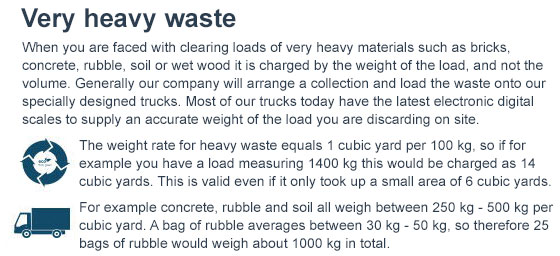
- Underestimating volume: A few bags become a surprising mountain when boxed furniture or broken fixtures are involved.
- Choosing only on price: The cheapest option is not always the best if it creates delays, extra trips, or poor communication.
A subtle mistake people make is not thinking through the aftercare. If you are clearing a house before a sale or renovation, for example, rubbish removal is just one part of the sequence. Cleaning, repairs, and handover timing all matter too. If you are in that situation, you may also find the local housing and moving advice in the Clapham real estate guide and purchasing homes in Clapham helpful for thinking about broader property timing.
Tools, Resources and Recommendations
You do not need fancy kit to prepare for rubbish removal, but a few simple tools help a lot.
- Heavy-duty bin bags: Good for clothing, paper clutter, soft junk, and lighter mixed waste.
- Strong tape and marker pens: Useful for labelling boxes you want to keep separate from waste.
- Screwdriver or Allen keys: Handy if furniture needs dismantling before removal.
- Gloves: A basic but smart choice, especially when dealing with dusty loft items or garden waste.
- Blankets or floor protectors: A good idea in flats and shared hallways.
- Phone camera: Great for documenting item types and access points.
For property types that tend to collect more than expected, there are also dedicated services that may be worth considering. A cluttered loft might point you toward loft clearance, a messy garage toward garage clearance, and an outdoor overhaul toward garden waste removal. Choosing the right category is often the difference between a smooth day and a slightly frantic one.
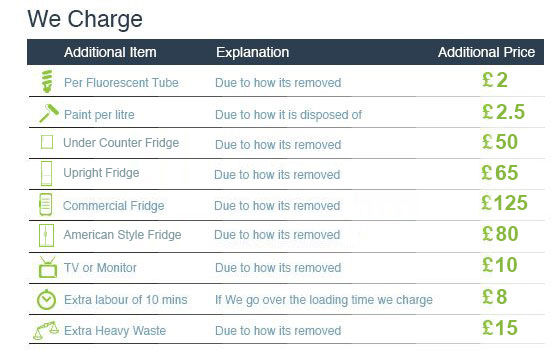
If you are comparing prices, a clear description of the waste, access, and property type is more useful than a vague "quite a lot of stuff." Helpful, yes. Specific, better. The pricing and quotes page is the natural place to start when you want to understand how a service may be assessed.
Law, Compliance, Standards and Best Practice
Rubbish removal is not only about convenience. In the UK, householders and landlords still need to be careful about how waste is handed over and disposed of. You do not need to become an expert in waste law, but you should follow a few sensible rules.
First, do not leave waste in a communal area without permission or for longer than necessary. In flats, shared corridors, bin stores, and access routes are common friction points. Keeping things tidy and on schedule reduces the chance of complaints.
Second, separate items that may need special handling. That includes anything sharp, heavy, dusty, damp, or potentially hazardous. If you are unsure, ask before mixing it in with normal junk. Better to pause for one minute than create a larger problem later.
Third, use reputable providers and keep basic records where appropriate. If you are a landlord or managing a property, it helps to note what was removed, when, and by whom. That is just good housekeeping, really. It can save confusion later.
Fourth, think about safety during lifting and loading. Even for domestic jobs, manual handling matters. Good footwear, clear walkways, and proper lifting techniques reduce injuries. The site's safety information is worth reviewing if you want a simple reminder of the precautions that should be in place.
Finally, aim for recycling and reuse where practical. Not every item should go straight to general waste. A service that sorts what can be recycled, repurposed, or handled separately is usually the more responsible option. That's the direction most householders want to go now, and fairly enough.
Options, Methods and Comparison Table
Different rubbish removal methods suit different properties and waste volumes. There is no single best answer. There is only the best fit for your situation.
| Method | Best for | Pros | Watch-outs |
|---|---|---|---|
| DIY trips to the tip | A few small loads, flexible schedules | Can be inexpensive if you already have transport | Time-consuming, heavy lifting, parking and loading hassle |
| Skip hire | Longer projects, larger ongoing waste volume | Useful for renovations and gradual filling | Needs space, permissions, and careful loading discipline |
| One-off rubbish collection | Mixed domestic waste, bulky items, quick clear-outs | Fast, convenient, minimal disruption | May not suit very large or ongoing jobs |
| Full house clearance | Moves, probate, major decluttering, emptying multiple rooms | Comprehensive and efficient | Needs clear scope and access planning |
For many flats near Clapham Common, a direct collection is the cleanest option because it keeps disruption low. For houses undergoing work, skip hire may suit longer projects. If you need a balance of flexibility and speed, a general junk removal service can be the middle ground.
Case Study or Real-World Example
Here is a realistic example based on a typical local scenario. A tenant in a first-floor flat near Clapham Common needs to move out at the end of the month. The flat has a narrow staircase, no lift, and a small shared entrance. They have a broken desk, two shelving units, a mattress, several bagged odds and ends, and a few kitchen items that have seen better days.
Instead of trying to move everything in random bursts, they sort the items into categories the night before. The desk is dismantled. The mattress is moved separately. Boxes of keepers are stacked away from the waste pile. They also clear the hallway so there is a straight route to the door. On the day, the removal is much quicker because the access is ready, the items are grouped, and nobody has to stand around guessing what goes where.
Now compare that with the house version. A family in a terrace near the Common decides to clear the loft, garage, and spare room before listing the property. They discover old Christmas decorations, a cracked dining chair, three lamps that no longer work, assorted cardboard, and garden cuttings from a long-overdue tidy-up. They use a combination of loft clearance, garage clearance, and garden waste removal to break the job into sensible parts. The house feels different by the end of the day. Lighter, somehow.
That is the basic lesson: the best results usually come from matching the service to the shape of the problem, not the other way round.
Practical Checklist
Use this simple checklist before your rubbish removal appointment.
- List every item that needs removing
- Separate keep, donate, recycle, and dispose piles
- Check stairs, lifts, doors, and hallway width
- Confirm parking and loading access
- Remove personal or sensitive items from furniture
- Bag loose waste securely
- Disassemble large furniture if needed
- Protect floors, walls, and communal areas
- Tell neighbours if the job may be noisy or disruptive
- Keep a clear point of contact on the day
- Review what can be reused or recycled
- Double-check cupboards, loft spaces, and under-bed storage
If you are unsure about the next step, a quick conversation often helps more than guessing for an hour and then changing your mind. Small jobs stay small when you catch them early. Funny how that works.
Conclusion
For flats and houses around Clapham Common, rubbish removal is mostly about preparation, access, and using the right method for the amount of waste you actually have. A compact flat with stairs needs a different approach from a house with a loft, garage, or garden backlog. Once you match the plan to the property, the whole process becomes easier and far less annoying.
Keep the route clear, sort items sensibly, think about safety, and do not overcomplicate a job that can be straightforward with the right setup. If you take one thing from this guide, let it be this: a little planning now can save a surprising amount of time, effort, and stress later.
Get a free quote today and see how much you can save.
And if you are still deciding what kind of help you need, the safest next step is simply to ask for advice. It's often the quickest way to turn a cluttered room into a calm one again.


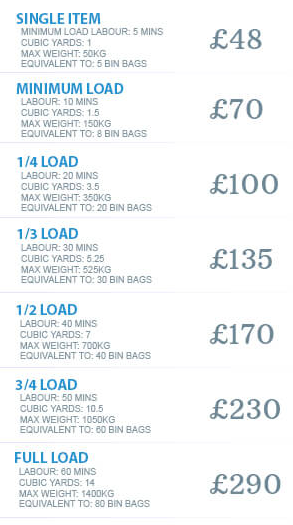
 Tipper Van - Rubbish Removal and Garden Waste Disposal Prices in Clapham, SW4
 Luton Van - Rubbish Removal and Garden Waste Disposal Prices in Clapham, SW4