Abbeville Road bulky rubbish pickup rules and fees
Posted on 15/07/2026

Abbeville Road bulky rubbish pickup rules and fees: a practical local guide
If you are trying to work out Abbeville Road bulky rubbish pickup rules and fees, you are probably juggling more than one thing at once. Maybe there is an old sofa blocking the hallway, a wardrobe that will not fit through the stairwell, or a pile of renovation leftovers gathering dust by the front door. Whatever the mess looks like, the real question is simple: how do you get it removed without paying too much or breaking the rules?
This guide breaks the process down in plain English. We will look at what bulky waste usually covers, how collection works in practice, where fees tend to come from, and how to avoid the sort of mistakes that turn a straightforward job into a frustrating one. You will also find a comparison table, a checklist, and a realistic example so you can judge the best option for your situation. No fluff. Just the useful bits.
Why Abbeville Road bulky rubbish pickup rules and fees Matters
Bulky rubbish sounds simple until you try to get rid of it. Then the details start to matter. Is it a single item or a mixed load? Is it household junk, damaged furniture, or something from a refurbishment? Does it need two people to move it? Can it be lifted safely from a flat? Those little questions affect what you can book, what you can put out, and what you will pay.
On streets like Abbeville Road, access can also shape the whole job. Narrow front areas, limited parking, staircases, and shared entrances all affect how a pickup is handled. A collection that seems easy on paper can become awkward fast if an item is too large for the route out of the property. To be fair, that is usually where surprises creep in.
Understanding the rules and fees before you book helps in three very practical ways:
- you avoid extra charges for oversized or awkward items;
- you reduce delays caused by missed collection details;
- you choose the right method for the amount and type of waste.
If you are comparing disposal routes, it can help to think in broader terms too. A bulky waste pickup is not always the same thing as a general rubbish collection service, and a furniture job is different again from a larger clear-out such as house clearance in Clapham. The right choice depends on what you need removed, how quickly, and how much manual handling is involved.
How Abbeville Road bulky rubbish pickup rules and fees Works
The basic process is usually straightforward. You identify the items, check whether they qualify as bulky waste, confirm any restrictions, and then arrange collection. The exact process can vary depending on whether you are using a council-style pickup, a private waste contractor, or a broader clearance service. The important thing is not to assume all bulky waste is treated the same way. It rarely is.
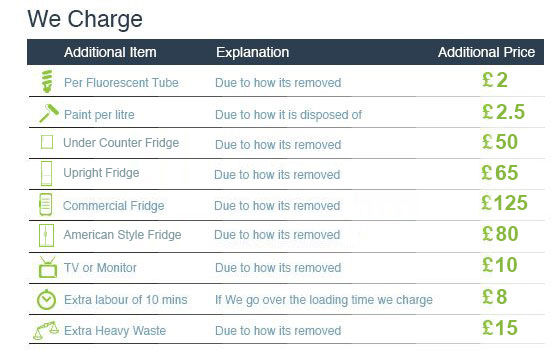
In most real-world cases, fees are influenced by a few common factors:
- Item type: a mattress, wardrobe, fridge, or broken table may all be handled differently.
- Volume: a single chair is not the same as a dining set and cabinet.
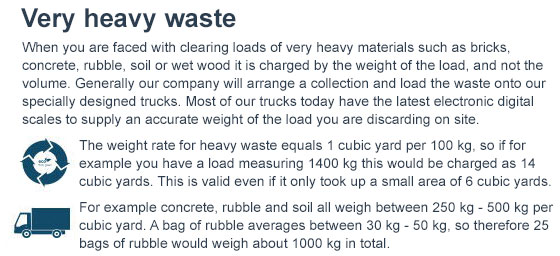
- Weight and handling difficulty: heavy items need more labour and sometimes specialist handling.
- Access: stairs, distance from vehicle, parking limits, and narrow entrances all matter.
- Material mix: mixed loads can be more expensive to sort than a neat, single-category pickup.
It is also worth separating pickup rules from fee rules. The collection might be allowed, but only if the items are presented in a certain way or by a certain time. And the fee might be fixed for one item while changing once you move into multiple items, extra labour, or special disposal needs.
For some households, especially when furniture is involved, a dedicated option such as furniture disposal in Clapham is the cleaner route. If you are dealing with mixed waste after a move, a loft tidy-up, or a long-overdue clear-out, then junk removal or a broader rubbish clearance may fit better. The best option is the one that matches the load, not the one that sounds cheapest at first glance.
Key Benefits and Practical Advantages
Getting bulky rubbish removed properly is not just about tidiness. There are some genuine practical advantages, and they show up quickly once the clutter is gone. You notice it in the hallway first. Then in the front room. Then in your head, honestly.
- Faster clearing of space: one large item can change how a room feels instantly.
- Less manual stress: no need to struggle with lifting, carrying, or finding transport.
- Reduced risk of damage: walls, banisters, and door frames are safer when items are handled by people used to awkward removals.
- Cleaner disposal route: suitable sorting and disposal helps avoid fly-tipping risk and messy interim storage.
- Better planning: once you understand fees and rules, you can budget properly instead of guessing.
There is also a mental benefit. That sounds a bit soft, but it is real. A broken sofa or old office cabinet sitting in the way becomes background noise in your day. Once it is gone, the whole place feels lighter. Less clutter, less faff.
If your project is bigger than one or two items, it can be worth exploring related services like loft clearance, garage clearance, or even garden waste removal if the job includes outdoor debris. Matching the service to the problem saves time and usually saves money too.
Who This Is For and When It Makes Sense
This topic matters to a fairly wide range of people. Some are clearing one awkward item. Others are in the middle of a move and need several bulky pieces gone in one visit. A few are dealing with leftover waste after decorating or minor building work. Different problem, same headache.
You will usually want to look closely at pickup rules and fees if you are:
- moving out and do not want to leave large items behind;
- replacing furniture and need old pieces taken away quickly;
- clearing a rental property between tenants;
- preparing a home for sale or letting;
- handling office or back-room clutter;
- managing waste from a small refurb or DIY job;
- dealing with a mix of heavy, awkward, or difficult-to-carry items.
For landlords and property owners, this is especially useful when preparing a place for photographs, viewings, or an incoming tenant. If you have ever tried to stage a room with an old broken unit still in the corner, you will know exactly why. It just throws everything off.
People interested in the wider local housing picture may also find it helpful to browse a smart buyer's guide to Clapham real estate or purchasing homes in Clapham. They are not about waste pickup directly, but they do underline how presentation and timing matter around property decisions.
Step-by-Step Guidance
If you want the process to go smoothly, do it methodically. A little preparation really does make a difference here.
- List every item. Write down exactly what needs removing. Be specific. "Old furniture" is too vague; "double wardrobe, two drawers, one broken desk" is much better.
- Check access. Measure doorways, hallways, stairs, and any tight turns. If a bulky item will not fit neatly, the crew may need extra time or a different approach.
- Separate the load. If you have clean household items, garden waste, and renovation debris, keep them distinct where possible. Mixed waste is harder to price and sort.
- Confirm what is accepted. Some items may need special handling. Electricals, sharp objects, or contaminated waste can be treated differently. Do not guess.
- Ask about pricing structure. Is it per item, per load, by volume, or by labour/time? That one question can prevent a lot of confusion later.
- Choose a pickup time that works for access. Early mornings are often easier for traffic and parking, but they are not always ideal for your schedule. Pick a slot that allows you to be ready.
- Move small loose items first. Bottles, cables, cushions, screws, and the random things that hide under furniture should be cleared away before the crew arrives.
A useful rule of thumb: if the job requires multiple trips to the vehicle, careful dismantling, or a lot of staircase manoeuvring, the fee will usually reflect that. It is not just about the item itself; it is about the time and effort involved in getting it out safely.
If you are planning a broader clear-out, the same logic applies across services. A quick services overview can help you compare rubbish removal with more specific options such as office clearance or builders waste clearance, depending on what kind of mess you are actually dealing with.
Expert Tips for Better Results
After enough collections, a few patterns become obvious. The people who get the smoothest outcome are not always the ones with the smallest load. They are the ones who prepare properly.
- Photograph bulky items before booking. Images help avoid misunderstandings about size and condition.
- Break down furniture if you can do it safely. Flat-pack style dismantling can reduce volume and make access easier.
- Keep routes clear. Move shoes, bikes, bins, and other trip hazards out of the way before collection day.
- Be realistic about weight. That old bookcase may look harmless until you start shifting it.
- Ask whether labour is included. This matters more than people expect. A cheap headline fee is less useful if it does not cover the carry-out.
One small but important tip: if your item is near a doorway or tight landing, leave a bit of extra room around it. Not a huge amount. Just enough for two people to work without knocking things about. Sounds obvious, but it gets missed all the time.
If you are comparing removal methods, it can also help to look at how disposal is handled. A provider that cares about sorting, reuse, and appropriate treatment is usually a better long-term choice. You can read more about recycling and sustainability to see how responsible waste handling fits into the bigger picture.
Common Mistakes to Avoid
Most avoidable problems fall into a few buckets. The annoying bit is that they are all fixable if you spot them early.
- Assuming all bulky waste is the same. A mattress, fridge, and dismantled wardrobe are not identical jobs.
- Forgetting access issues. Parking restrictions, stairs, and narrow turns can change the cost and timing.
- Not checking item condition. Some items need special handling because they are broken, contaminated, or unsafe.
- Mixing waste types. Garden waste with furniture, or DIY debris with household junk, can complicate pricing.
- Leaving booking details vague. "A few bits" is not enough information. Be specific.
- Choosing on price alone. The cheapest option is not always the best value if it excludes labour or access work.
Another common one: people forget that bulky rubbish can be physically awkward even when it is not especially heavy. A long sofa through a tight hallway can be more problematic than a heavier item in an open space. That is the sort of thing that only seems funny afterwards.
Tools, Resources and Recommendations
You do not need fancy equipment to organise a bulky rubbish pickup, but a few simple tools make the job easier.
- Tape measure: useful for checking door widths, stair landings, and item dimensions.
- Phone camera: quick photos help you describe the load accurately.
- Marker pen and labels: handy if you are sorting items into keep, donate, recycle, or remove piles.
- Basic screwdriver or wrench: useful if you are safely dismantling furniture beforehand.
- Work gloves: sensible for sharp edges, dusty shelving, or moving pieces outdoors.
From a planning point of view, a good starting place is to compare a few related service pages and see which one aligns with your job. For single-item disposal, furniture disposal or junk removal may be enough. For a fuller property reset, house clearance can be more efficient. For ongoing or repeat needs, waste removal may suit better. It depends, really.
If you want to understand the company side a little more before booking, the about us page is a sensible place to start, and if you need the practical next step there is always the contact page.
Law, Compliance, Standards, or Best Practice
Waste disposal in the UK should always be treated carefully, even for something as ordinary as a broken chair or old wardrobe. The key point is simple: rubbish should go to a lawful, suitable destination, and the carrier should be able to handle it properly. You do not need to become an expert in waste law, but you do need to avoid handing waste to anyone who seems vague, suspicious, or oddly cheap.
Good practice usually means:
- using a provider that can explain how the waste will be handled;
- making sure items are not left in a dangerous position before collection;
- separating hazardous or specialist waste from standard bulky rubbish;
- being honest about what is in the load, so it can be priced and processed correctly;
- keeping records if you are dealing with business waste or a property managed on behalf of others.
If you are a landlord, managing agent, or business owner, compliance matters even more. A tidy removal can still become a problem if the waste was not handled through a proper route. For larger or recurring jobs, it is worth thinking in terms of process, not just collection day. That is where well-run office clearance or builders waste clearance services can reduce risk as well as effort.
There is a practical safety angle too. Heavy items can injure backs, trap fingers, or damage property if they are moved badly. If an item needs two people, use two people. If it needs specialist handling, do not bluff your way through it. Common sense, basically - but worth saying out loud.
Options, Methods, or Comparison Table
There is more than one way to deal with bulky rubbish on Abbeville Road. The right option depends on the size of the load, how fast you need it gone, and how much involvement you want in the process.
| Method | Best for | Typical strengths | Possible drawbacks |
|---|---|---|---|
| Bulky waste pickup | One or a few large household items | Simple, targeted, usually quick to arrange | Can be limited by item type, access, and booking rules |
| General rubbish collection | Mixed domestic waste or smaller mixed loads | Flexible and convenient for everyday clutter | May be less efficient for very large items |
| Furniture disposal | Sofas, wardrobes, tables, beds | Good for heavy or awkward household furniture | Access issues can affect pricing and timing |
| Skip hire | DIY waste or larger ongoing projects | Useful for steady loading over time | Needs space, permits may be relevant, and lifting is on you |
| House clearance | Whole-room or whole-property clear-outs | Best when there is a lot to remove in one go | More involved than a small pickup |
If you are deciding between these, ask yourself one question: do I want to do the lifting and sorting myself, or do I want the job handled end-to-end? That answer usually points you in the right direction very quickly.
For some projects, local reading helps with context too. Articles like the Clapham Common rubbish removal guide for flats and houses can be useful if your access situation is not as simple as a front garden pickup. And if the job is a bit seasonal, SW4 garden waste collection costs and quick rubbish removal may help you compare outdoor waste options.
Case Study or Real-World Example
Here is a realistic example. Imagine a couple on Abbeville Road replacing bedroom furniture before a weekend move. They have a double bed frame, an old mattress, a chest of drawers, and a small desk. Nothing dramatic, but enough to be annoying if they leave it until the last minute.
At first, they think they only need one quick pickup. Then they check the stairwell. Tight turn. A small landing. One item will probably come out in one piece, but the desk may need to be dismantled first. Suddenly the job is not just about collection; it is about preparation and access.
They do three things before booking:
- measure the awkward doorway and stair turn;
- break down the desk safely;
- separate the mattress and frame from smaller bits of mixed clutter.
Because they describe the load clearly, the collection is booked with the right expectations. No drama. No extra back-and-forth. The room is empty by the afternoon, and the move becomes a lot less stressful. Not glamorous, but very effective.
That is the core lesson with bulky waste on a street like this: a little planning turns a potentially messy task into a fairly ordinary one. And ordinary is good. Ordinary is what you want.
Practical Checklist
Use this quick checklist before you book or place anything out for pickup.
- List every bulky item clearly.
- Check whether the items are household, mixed, or specialist waste.
- Measure doors, hallways, and stairs if access looks tight.
- Take photos from a few angles.
- Separate reusable items from true rubbish if possible.
- Ask how pricing is calculated.
- Confirm whether labour, carry-out, and loading are included.
- Clear walkways and remove trip hazards.
- Set aside anything hazardous or uncertain for separate advice.
- Make sure you are ready at the agreed time window.
Quick takeaway: the more accurate your description, the more accurate the fee. That is usually where the savings start.
Conclusion
Sorting out Abbeville Road bulky rubbish pickup rules and fees is really about matching the job to the right method. A single awkward item may need a simple pickup, while a larger clear-out could suit a fuller removal service. Once you know the size of the load, the access conditions, and the way fees are calculated, the rest gets much easier.
Take your time with the details, ask sensible questions, and do not underestimate access issues. A hallway that looks fine at 9 a.m. can feel very different when someone is carrying a heavy wardrobe down it, trust me. Plan it properly and you will save yourself hassle, money, and a fair bit of stress.
If you want to explore the next step, compare your options carefully and speak to a team that can explain the collection process in straightforward terms.
Get a free quote today and see how much you can save.
And if you are still deciding, that is fine too. A well-planned rubbish removal job tends to feel less like a chore and more like a fresh start.



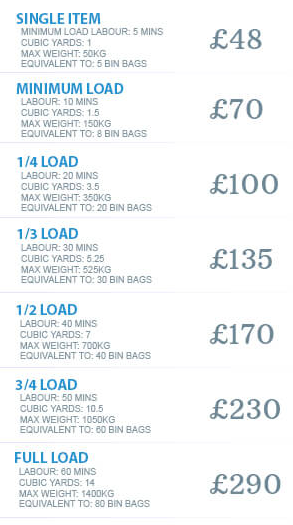
 Tipper Van - Rubbish Removal and Garden Waste Disposal Prices in Clapham, SW4
 Luton Van - Rubbish Removal and Garden Waste Disposal Prices in Clapham, SW4